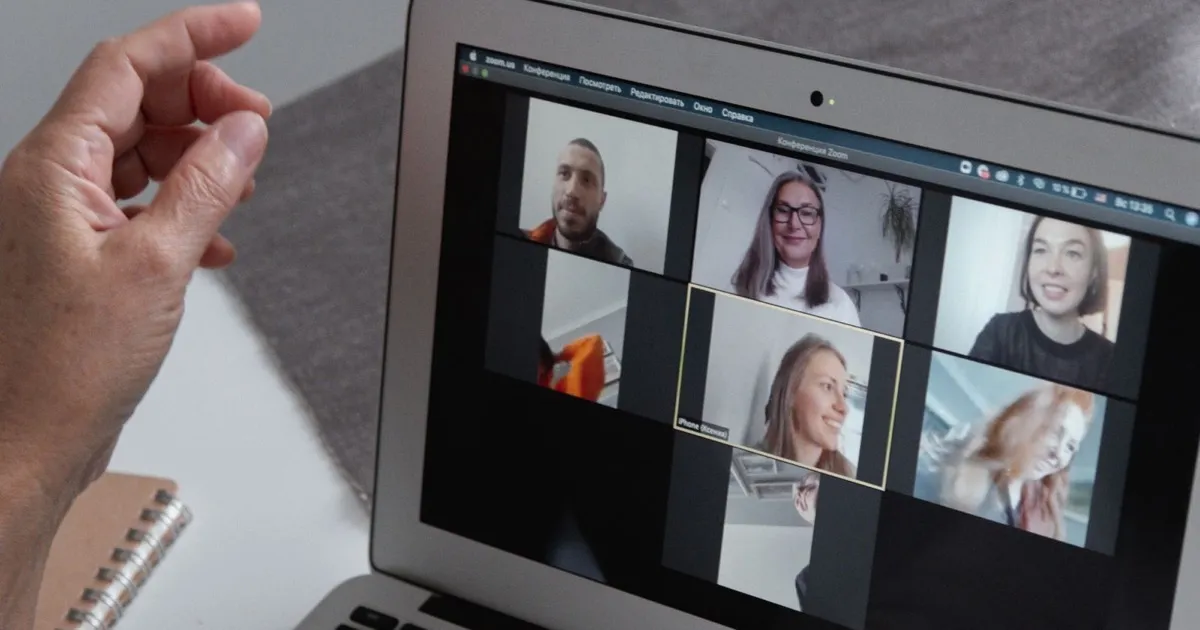
Imagine joining a video meeting with a colleague you have worked with for years. You see her face, you hear her voice, and she smiles when you say hello. But she is not there. What you see is a recording.
That is how the scheme the FBI calls FaceStealer works. It is also why a familiar face on a screen is no longer enough. With ID-Truster Meetings, you do not have to trust the face. Everyone in the meeting gives their own PIN, and only the real person can see it.
What the FBI found
On November 12, 2026, the FBI and the US Department of Justice announced that they had taken down the infrastructure behind FaceStealer. According to the FBI, the scheme took more than $400 million in cryptocurrency in 18 months. The FBI also seized more than 900 webcam videos of victims.
The FBI links the group behind it to North Korea. It mainly went after people in crypto and web3 and people who maintain open-source software. The method itself works against any company that holds meetings online.
You can read the FBI’s warning and the Department of Justice announcement.
How a fake meeting works
The FBI describes the same pattern again and again.
- The invite comes from a real account that has been taken over, on Telegram, LinkedIn, Slack or Discord. So it looks like it comes from someone you know.
- The link leads to a copy of Zoom, Microsoft Teams or Google Meet on a web address with a small spelling difference.
- In the meeting, they play recorded webcam video of the person you know. Sometimes they add a deepfake or extra fake participants to make the meeting feel normal.
- Then the sound “stops working”, and someone sends a fix in the chat. The fix is malware. Researchers call this trick ClickFix.
- While you talk, your own webcam is recorded. Your video is then used in meetings with your contacts.
The weak point is the same every time. You trust the face, because you know it.
Why a face is no longer proof
A video call used to settle the question. If you could see and hear the person, it was them. Now a recording or a deepfake can look and sound right, and a few extra participants can make the meeting feel like any other Tuesday.
You need something in the meeting that a video cannot copy.
How ID-Truster Meetings shows who is really there
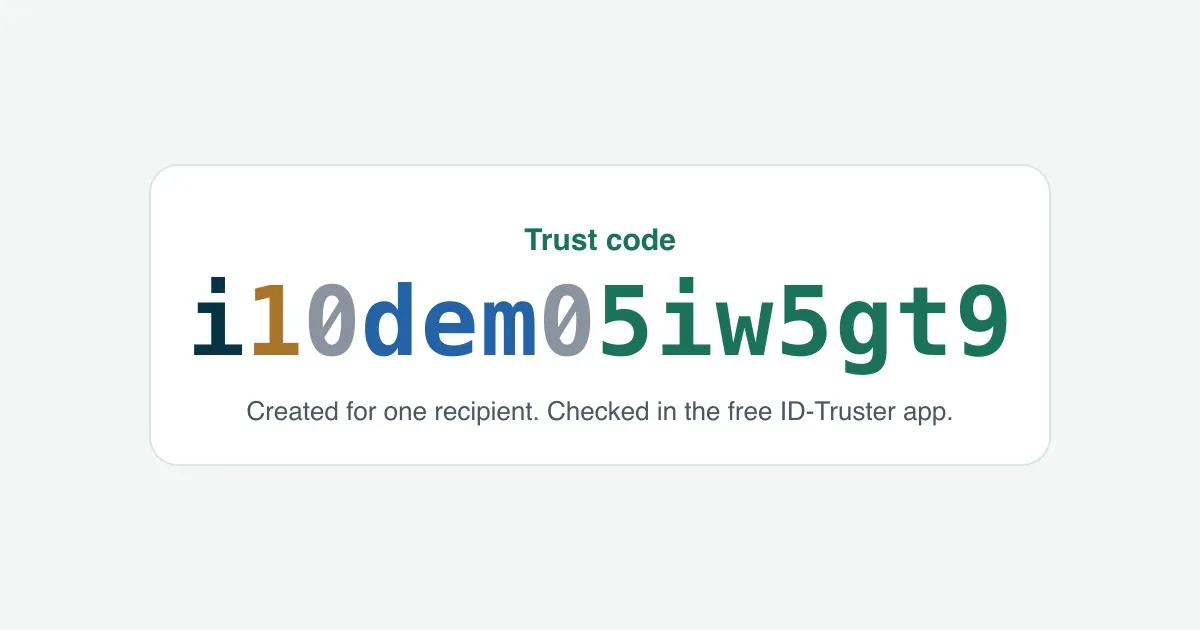
With ID-Truster Meetings, your meeting admin checks everyone in the meeting with one click in your CRM. Each participant gets a message in the free ID-Truster app, confirms, and sees their own PIN. They say the PIN in the meeting or write it in the chat. Within about 30 seconds, your admin sees who has confirmed and who has not.
A recording cannot do that. A deepfake can copy a face and a voice, but it cannot read the PIN in the app on the real person’s phone. If someone in the meeting cannot give their PIN, you know who to ask to leave.
You keep the meeting tool you use today. The check works in any online meeting where people can talk or write in a chat. It is the same idea as the trust codes we sent in a newsletter, but for everyone in a meeting at once.
How the check works step by step, including the signature and what happens when someone says no, is in How participants in a meeting are confirmed.
Good habits still count
The check shows that the person in the meeting has access to the participant’s ID-Truster account. Use it alongside the habits you already have.
- Look at the web address before you join, or join from the meeting tool’s own app.
- Never install anything or run a command during a meeting because someone asks you to.
- If an invite is unexpected, confirm it with the person in another way.